Workers' Comp for Auto Shops: What Owners Must Know
Why Auto Repair Shops Face Unique Workers' Compensation Challenges
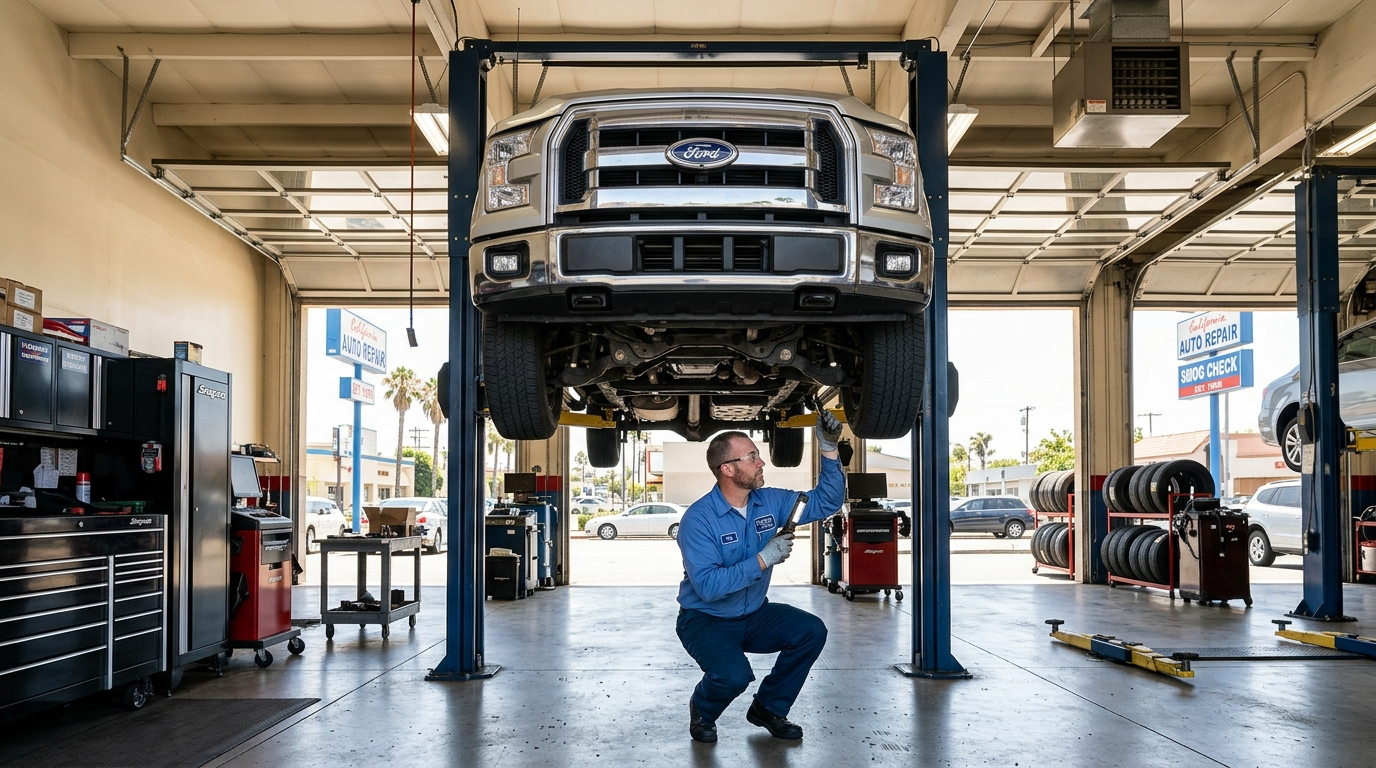
Walk into any auto repair shop and you'll see hazards everywhere. Technicians work under heavy vehicles supported by hydraulic lifts. They handle toxic chemicals, operate power tools, and maneuver around moving equipment. Back injuries, burns, cuts, and falls happen regularly despite the best safety protocols.
These aren't rare accidents. They're occupational hazards that come with the territory of auto repair work. According to industry data, auto repair technicians face injury rates significantly higher than many other professions. Every time your team clocks in, they're exposed to risks that could result in serious injury.
As a shop owner, you have both a legal obligation and a moral responsibility to protect your employees when injuries occur. Workers' compensation insurance is your primary tool for meeting that responsibility. For most shop owners, it's not just good business practice. It's required by law.
What Workers' Compensation Insurance Actually Covers
Workers' compensation is a specialized insurance designed to protect both employees and employers when workplace injuries occur. The coverage provides specific benefits that help injured workers recover while protecting your business from devastating lawsuits.
When an employee gets hurt on the job, workers' comp covers several critical expenses:
Medical expenses: All reasonable and necessary medical treatment related to the workplace injury. This includes emergency room visits, surgery, hospitalization, physical therapy, prescription medications, and follow-up care. There's typically no deductible for the injured worker.
Lost wages: If the injury prevents your employee from working, workers' comp replaces a portion of their lost income. Most states provide around two-thirds of the employee's average weekly wage, though the specific percentage and maximum amounts vary by state.
Disability benefits: For injuries that result in permanent impairment, either partial or total, workers' comp provides ongoing disability payments. These benefits compensate employees for reduced earning capacity due to permanent injuries.
Vocational rehabilitation: If an injury prevents an employee from returning to their previous role, workers' comp may cover retraining costs to help them transition to different work they can perform.
Death benefits: In the tragic event of a fatal workplace accident, workers' comp provides death benefits to the employee's dependents, including burial expenses and ongoing financial support.
The coverage operates on a no-fault basis. This means employees receive benefits regardless of who caused the accident. Whether your technician made a mistake or followed every safety protocol perfectly, they're still covered if they're injured while performing work duties.
Common Auto Shop Injuries That Workers' Comp Covers
Understanding the specific injuries your team faces helps you appreciate why workers' compensation is so critical. Auto repair work involves numerous hazards that can cause both acute injuries and chronic conditions.
Back and musculoskeletal injuries top the list. Your technicians regularly lift heavy parts, bend into awkward positions under vehicles, and perform repetitive motions. Herniated discs, muscle strains, and chronic back pain are common results of this physical work.
Lacerations and puncture wounds occur frequently when working with sharp metal, power tools, and broken parts. A slip with a cutting tool or contact with jagged metal can result in serious cuts requiring stitches or even surgery.
Burns happen in multiple ways in auto shops. Technicians can suffer thermal burns from hot engines, exhaust systems, or welding equipment. Chemical burns result from contact with battery acid, solvents, or other caustic substances. Even minor burns can be painful and keep employees off work.
Falls represent another major risk category. Technicians work on lifts, climb under vehicles, and navigate floors that can become slippery with oil or other fluids. Falls can result in broken bones, head injuries, and back damage.
Eye injuries occur when debris, chemicals, or metal fragments contact the eye. Even with safety glasses, particles can sometimes cause serious eye damage requiring immediate medical attention.
Repetitive strain injuries develop over time from repeated motions. Carpal tunnel syndrome, tendonitis, and other overuse injuries can become debilitating and require ongoing medical treatment.
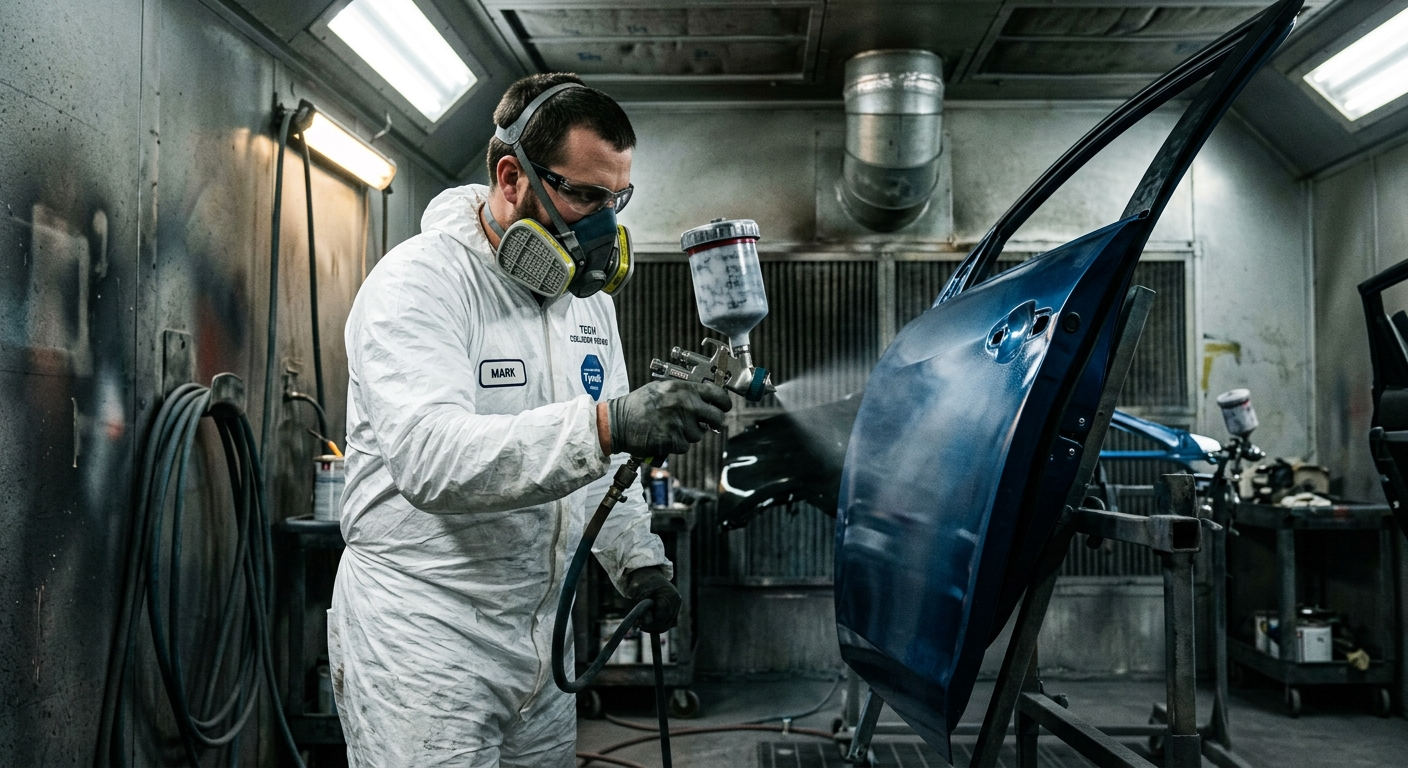
Respiratory problems can develop from exposure to paint fumes, exhaust gases, and airborne particles. While proper ventilation reduces this risk, chronic exposure can still cause lasting health issues.
Legal Requirements You Cannot Ignore
Workers' compensation requirements vary by state, but the bottom line is simple: if you have employees, you almost certainly need coverage. The specific threshold differs, but most states require coverage as soon as you hire your first employee.
Some shop owners mistakenly believe they can avoid this requirement by classifying workers as independent contractors instead of employees. This approach is dangerous and usually illegal. Most states have strict definitions of what constitutes an independent contractor. If your state labor department or workers' comp board determines you've misclassified employees, you'll face severe penalties.
The consequences of operating without required workers' comp coverage are serious:
Substantial fines that increase the longer you operate without coverage. Many states assess penalties in the thousands or tens of thousands of dollars.
Stop-work orders that shut down your business until you obtain proper coverage. This can mean days or weeks of zero revenue while you still have rent, utilities, and other fixed costs.
Personal liability for all medical expenses and lost wages if an employee is injured. Without insurance, you're personally responsible for costs that can easily exceed hundreds of thousands of dollars.
Criminal penalties in some states. Operating without required workers' comp can result in misdemeanor or even felony charges in certain jurisdictions.
Difficulty obtaining coverage later. Once you're caught operating without required insurance, you may be flagged as a high-risk business, resulting in significantly higher premiums when you finally get coverage.
Even in states where workers' comp is technically optional for very small businesses, carrying coverage protects you from potentially bankrupting lawsuits. Without workers' comp, injured employees can sue you directly for negligence. These lawsuits can result in judgments far exceeding what insurance premiums would have cost.
How Workers' Comp Premiums Are Calculated for Auto Shops
Understanding how insurers calculate your workers' compensation premium helps you manage costs while maintaining proper coverage. Several factors go into the pricing formula.
Your payroll is the foundation of the calculation. Workers' comp premiums are typically expressed as a rate per $100 of payroll. If your annual payroll is $300,000 and your rate is $8 per $100, your base premium would be $24,000.
Classification codes determine your rate. Every job type has a specific code that reflects its risk level. Auto repair technicians carry higher rates than office staff because their work involves more hazards. If your business has different types of workers, each classification is rated separately.
Your experience modification rate (EMR or experience mod) adjusts your premium based on your claims history. An EMR of 1.0 is average. Below 1.0 means you have fewer claims than expected for your industry, resulting in a discount. Above 1.0 means more claims than average, increasing your premium. Your experience mod can dramatically impact costs. A shop with a 1.3 mod pays 30% more than a similar shop with a 1.0 mod.
Your state's rate structure affects costs. Each state has its own workers' comp system with different mandated benefits and corresponding premium levels. Rates in some states are significantly higher than others for identical businesses.
Safety programs and loss control measures can qualify you for discounts. Many insurers offer premium reductions if you implement formal safety training, maintain detailed safety procedures, and demonstrate commitment to injury prevention.
Strategies to Reduce Your Workers' Comp Costs Without Cutting Corners
Workers' compensation premiums represent a significant expense for most auto shops, but several strategies can help you manage these costs responsibly.
Implement a comprehensive safety program. The single most effective way to reduce workers' comp costs is preventing injuries in the first place. Create written safety procedures for every task your team performs. Conduct regular safety training. Require proper use of personal protective equipment. Maintain equipment properly to prevent malfunctions that could cause injuries.
Accurate employee classification matters. Make sure your workers are properly classified according to their actual job duties. Don't pay shop rates for employees who spend most of their time doing administrative work. Review classifications annually as roles change.
Return-to-work programs reduce claim costs significantly. When employees can return to modified duty while recovering from injuries, they receive lower wage replacement benefits and heal better psychologically. Create light-duty options that allow injured workers to contribute productively while recovering.
Pay attention to your experience modification rate. Contest any claims you believe are fraudulent or not work-related. Make sure your insurer has accurate information about resolved claims. Even small improvements in your experience mod translate to significant premium savings.
Report claims promptly and manage them actively. Quick reporting ensures injured employees get immediate care, which often results in better outcomes and lower costs. Stay in communication with injured workers and your insurer throughout the claims process.
Shop your coverage periodically but wisely. Workers' comp is a regulated product, so rates don't vary as much as other insurance types. However, different insurers may offer different dividends, payment plans, or loss control services. Every few years, it makes sense to compare options.
Consider higher deductibles if your cash flow allows. Some policies offer deductibles that can lower your premium. You pay the first portion of each claim, reducing your insurer's risk and your premium. This strategy works best for businesses with strong safety records and financial reserves to cover deductibles.
What Happens When an Employee Gets Injured?
Knowing the proper procedures when an injury occurs protects both your employee and your business. The steps you take in the first hours after an incident can significantly impact the outcome.
Provide immediate first aid and emergency care. Your first priority is always the injured employee's health. If the injury is serious, call emergency services immediately. For minor injuries, provide appropriate first aid from your well-stocked first aid kit.
Report the injury to your workers' comp insurer as quickly as possible. Most states require reporting within 24 to 48 hours. Prompt reporting ensures your employee gets directed to appropriate medical care and begins receiving benefits without delay.
Document everything about the incident. Write down exactly what happened, when it occurred, who witnessed it, and what conditions contributed to the injury. Take photos of the accident scene if relevant. This documentation protects everyone by ensuring accurate information goes to the insurer.
Direct the employee to approved medical providers. Most workers' comp policies require injured workers to see specific doctors or facilities, at least initially. Provide your employee with clear information about where to seek treatment.
Stay in communication with your injured employee. Regular contact shows you care about their wellbeing and helps you stay informed about their recovery progress. This communication also helps facilitate return-to-work planning when appropriate.
Investigate the incident to prevent recurrence. Understanding why the injury happened allows you to implement corrective measures so the same accident doesn't injure another employee.
Never discourage employees from reporting injuries. Some shop owners fear that more claims will increase their premiums, leading them to pressure employees not to report incidents. This approach is illegal, unethical, and counterproductive. Unreported injuries can worsen and eventually result in much more expensive claims.
Special Considerations for Shop Owners and Partners
If you're a shop owner, partner, or corporate officer, you face unique questions about workers' compensation coverage for yourself. The answer depends on your business structure and state regulations.
Sole proprietors typically aren't required to carry workers' comp for themselves, though many states allow you to opt in for your own protection. Since you can't sue yourself, workers' comp provides your only income protection if you're injured while working.
Partners in a partnership usually can opt in or out of workers' comp coverage depending on state rules. If you have other partners or employees, seriously consider covering yourself to avoid being financially vulnerable to workplace injuries.
Corporate officers often can exclude themselves from workers' comp coverage in many states, though requirements vary. However, if you actively work in the shop alongside your technicians, having coverage makes sense. Your risk of injury is just as real as any employee's.
LLC members face varying rules depending on how their state treats LLC structures for workers' comp purposes. Some states treat single-member LLCs like sole proprietors, while multi-member LLCs might be treated like partnerships or corporations.
Even when coverage is optional for owners, consider these factors: Do you have adequate disability insurance through other sources? Can your business survive financially if you're injured and unable to work? Will your family be protected if something happens to you?
In many cases, including yourself in workers' comp coverage provides affordable protection that fills gaps other insurance might miss.
Why Trying to Avoid Workers' Comp Is Always a Bad Idea
Some shop owners look for shortcuts to avoid or minimize workers' comp costs. These approaches consistently backfire and create far bigger problems than the premium savings they're trying to achieve.
Paying employees under the table eliminates your ability to demonstrate payroll for workers' comp purposes, but it creates massive liability. If an unreported employee gets injured, you have no insurance protection and face personal liability for all costs. You also face tax evasion charges, penalties, and potential criminal prosecution.
Misclassifying employees as independent contractors seems like an easy solution until it's not. State labor departments and tax authorities actively investigate misclassification. When caught, you'll owe back premiums, penalties, and potentially all costs for any injuries that occurred during the time of misclassification.
Encouraging or pressuring employees not to report injuries creates a toxic workplace culture and violates the law in most states. If an employee later files a claim and can demonstrate you discouraged reporting, you face retaliation claims and penalties far exceeding the original injury costs.
Trying to operate without required coverage always catches up with you eventually. An injured employee reports you, a competitor tips off authorities, or a routine audit discovers your non-compliance. The financial consequences almost always exceed what you would have paid for proper coverage all along.
Protecting Your Team and Your Business for the Long Term
Workers' compensation insurance represents more than just a legal requirement or financial protection. It demonstrates your commitment to your employees' wellbeing and creates a foundation for a sustainable business.
When your team knows you've got them covered if something goes wrong, it builds loyalty and trust. Employees who feel valued and protected work harder, stay longer, and help your business succeed. The shop owner who views workers' comp premiums as a grudging expense has it backwards. This coverage is an investment in your team and your company's future.
Auto repair work will always involve inherent risks. You can't eliminate every hazard, but you can protect your employees from the financial devastation of workplace injuries. You can ensure they receive prompt, quality medical care when accidents happen. You can demonstrate that you're a responsible business owner who takes safety seriously.
At Garage Sentinel, we specialize in helping auto shop owners navigate the complexities of workers' compensation insurance. We understand the unique risks your business faces and can help you find coverage that protects your team without breaking your budget. We'll also connect you with resources to implement safety programs that reduce injuries and lower your premiums over time. Contact us today to discuss your workers' compensation needs and learn how we can help you protect both your employees and your business.
Get A Quote
At Garage Sentinel Insurance, securing your future is easy. Ready to protect what matters? Contact us for a quick quote and personalized insurance options!
Kelly
Speak to Kelly 24/7
Microphone ready
Start your custom insurance quote
Instant answers to your insurance questions
Schedule appointments or follow-ups
Commercial Insurance
We customize policies for your industry's risks, like general liability and workers' comp, ensuring you can run your business worry-free.
Insurance by Industry
We understand that every industry has unique insurance needs. Our coverage protects auto repair shops and dealerships from unexpected risks, ensuring your garage's future.
Contact Garage Sentinel Insurance Insurance
Recent Posts