Garagekeepers Liability Insurance: What It Covers and Why It Matters
What garagekeepers liability insurance actually covers
Garagekeepers liability insurance is the coverage that protects your business when a customer's vehicle is damaged, stolen, or destroyed while it's in your care. If you run an auto repair shop, body shop, tire shop, dealership, or any business where customers leave their vehicles with you, this coverage is not optional. It fills a gap that standard general liability leaves wide open, and without it, one bad night or one costly mistake could wipe out years of profit.
The core issue: your general liability policy covers third-party bodily injury and property damage arising from your operations, but it typically excludes property in your care, custody, or control. The moment a customer hands you their keys, that vehicle becomes your responsibility and falls outside the scope of general liability. Garagekeepers coverage addresses that exposure specifically.
Who needs garagekeepers liability coverage
Any shop or business that takes possession of customer vehicles needs this coverage. That includes a wide range of operations across California:
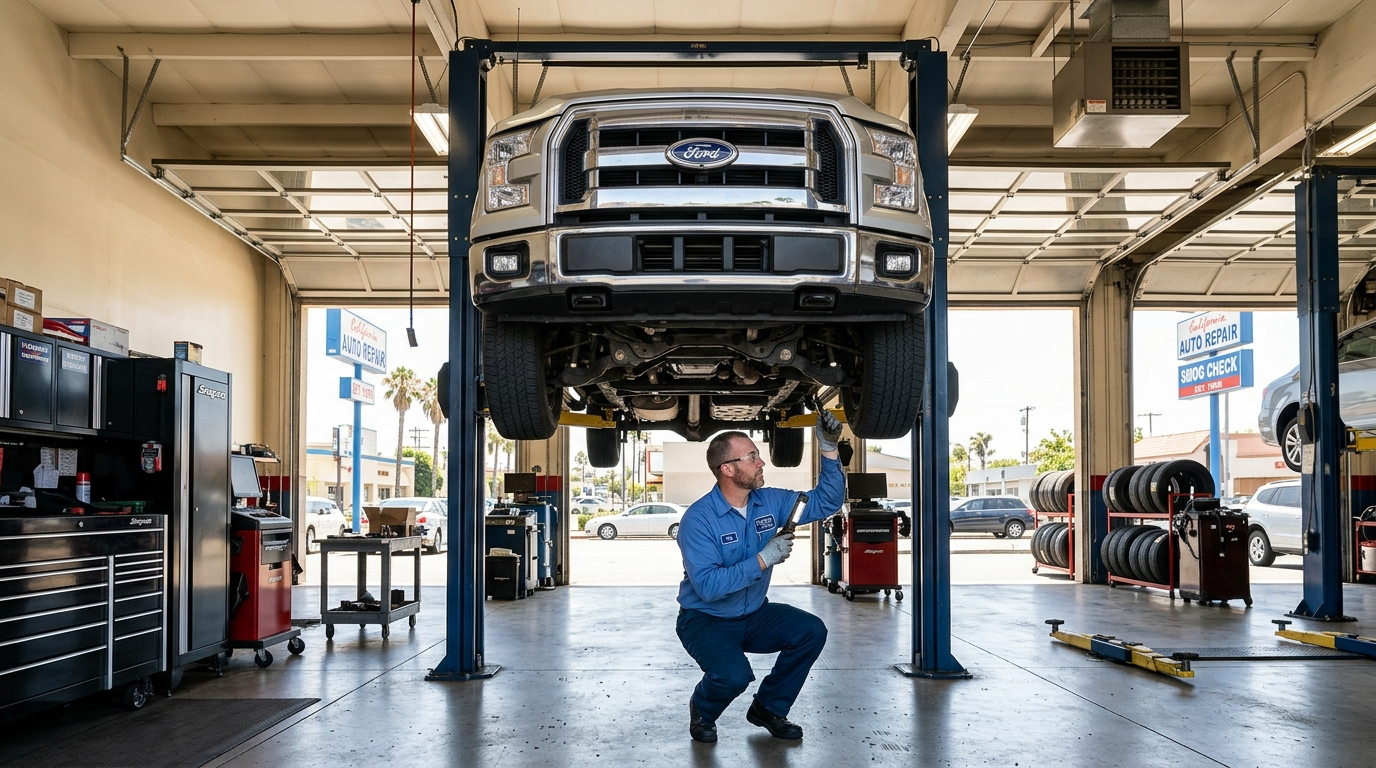
- Auto repair shops : waiting for overnight repairs or multi-day jobs leaves customer cars exposed to fire, theft, and vandalism.
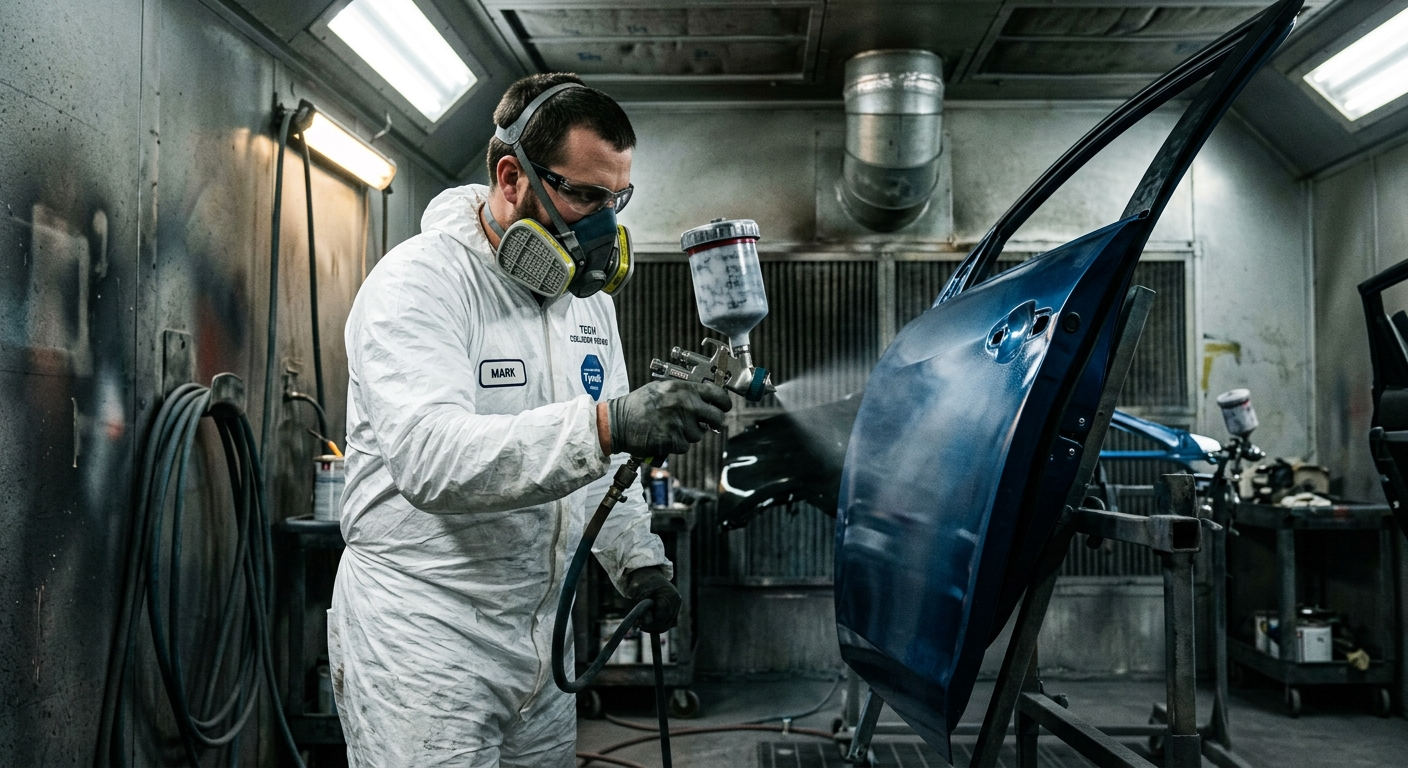
- Body shops and collision repair shops : high-value vehicles sit in your lot for days or weeks, sometimes with parts removed or panels open.
- Tire shops : even a quick service means the vehicle is temporarily under your control.
- Car dealerships : customer trade-ins, service department vehicles, and test-drive cars all carry exposure.
- Mobile mechanics : even if you go to the customer, you may move or operate their vehicle.
- RV repair shops : RVs can be worth $100,000 or more, making the stakes especially high.
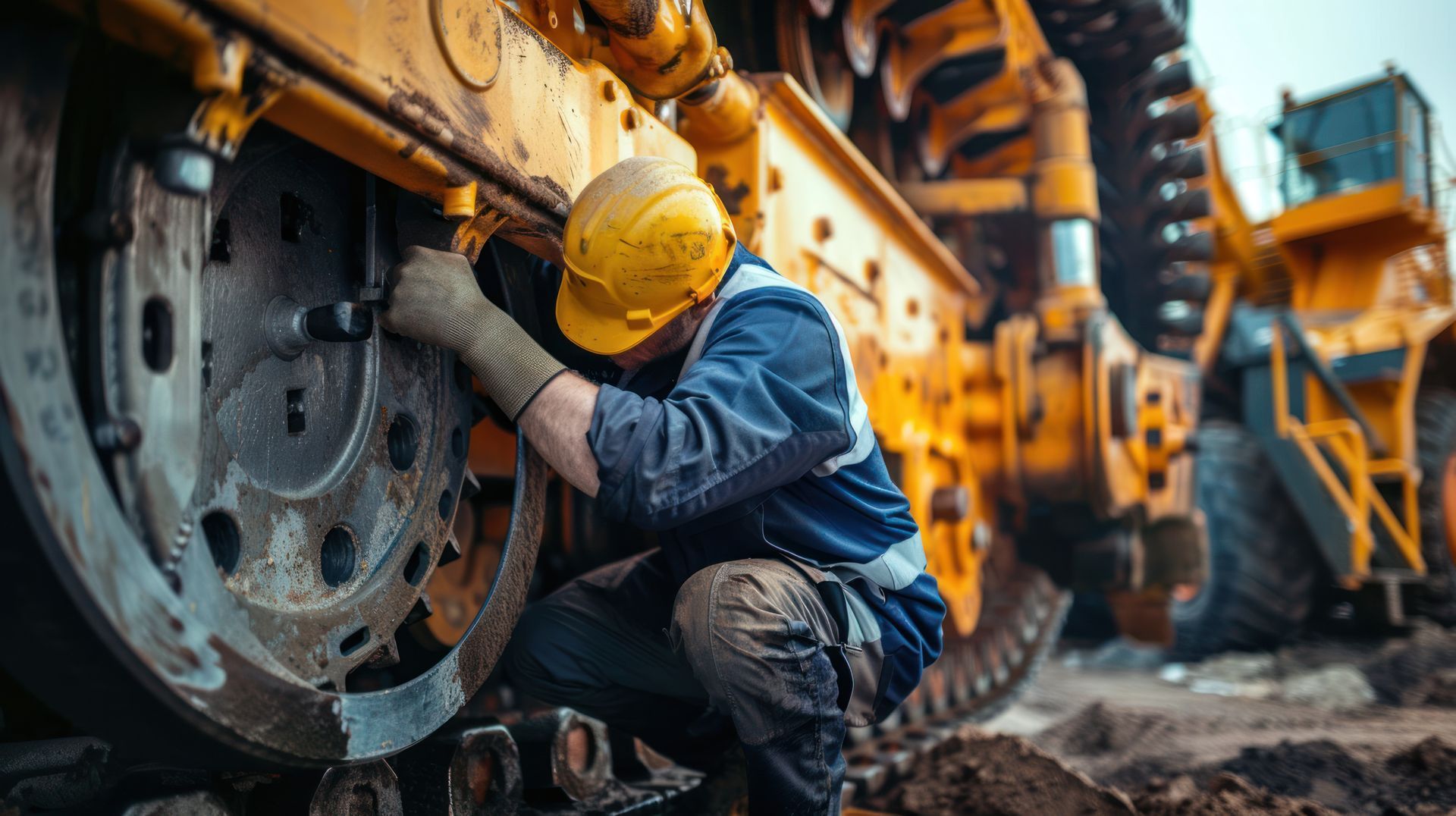
- Commercial truck repair shops : a single semi-truck can represent enormous replacement value.
If your operation matches any of these, your business carries garagekeepers exposure every day. A closer look at why this coverage is essential for shop owners walks through real scenarios where the gap in coverage has cost businesses significantly.
Direct vs. legal liability: the two forms of coverage
This is where many shop owners get confused. Garagekeepers liability insurance comes in two forms, and the difference matters when a claim hits.
Legal liability form
With the legal liability form , your insurer pays only when you are legally responsible for the damage. If a customer's car is broken into and something is stolen, but you had a reasonable security setup and followed proper procedures, you may not be considered legally negligent. The claim gets denied because liability cannot be established. This form costs less, but it leaves gaps that can catch you off guard at the worst possible moment.
Direct primary form
The direct primary form pays regardless of fault. If a customer's car is damaged while in your shop or on your lot, coverage applies even if you did nothing wrong. A windstorm rolls through. Someone breaks a window overnight. A fire starts in a neighboring unit. You had no control over any of it, but you're still holding a very upset customer whose car needs to be fixed. Direct primary coverage pays in all of those situations. Most shop owners who understand the difference choose this form, even though it costs more.
What a garagekeepers policy covers and what it doesn't
A well-structured garagekeepers liability policy typically covers damage to customer vehicles caused by:
- Fire and explosion : including fires that start elsewhere and spread to your lot.
- Theft and vandalism : a stolen vehicle, broken windows, or deliberate damage.
- Collision : if an employee moves a vehicle and causes an accident, or another car rolls into the customer's vehicle.
- Weather events : hail, wind damage, and flooding, depending on how the policy is written.
- Falling objects : a tree limb, roof collapse, or debris from a neighboring property.
What a garagekeepers policy does not cover is equally important:
- Mechanical or workmanship errors : if your technician causes damage through faulty repairs, that falls under a different type of coverage and may not be covered at all under a standard garagekeepers policy.
- Personal property inside the vehicle : a customer's laptop, tools, or luggage are typically excluded.
- Vehicles you own : your own fleet or shop vehicles need commercial auto coverage, not garagekeepers.
- Intentional acts : any deliberate damage caused by you or your employees.
How limits and deductibles work in practice
Garagekeepers coverage is typically written with a per-vehicle limit and an aggregate limit that applies across all vehicles on your premises at the same time. A policy might carry a $100,000 per-vehicle limit and a $500,000 aggregate. If a fire damages five customer vehicles simultaneously, the aggregate caps your total payout at $500,000 across all of them.
Setting the right limits requires thinking about the type of vehicles your shop handles. A tire shop servicing everyday sedans has a very different exposure profile than a high-end dealership servicing Mercedes and BMW vehicles. A commercial truck repair shop where a single rig can be worth $150,000 or more needs limits that reflect that reality.
Deductibles apply per vehicle, per occurrence, or in some structures, per loss event. A per-occurrence deductible means one storm that damages ten cars might trigger only one deductible. A per-vehicle deductible means you pay ten. Read these details carefully before binding coverage, because they have a real impact on what you net from a claim.
California shops should also know that some carriers price garagekeepers coverage differently based on whether vehicles are stored indoors or outdoors. Keeping customer vehicles inside a locked building overnight can reduce your premium and your overall risk profile. It's the kind of operational detail that affects both your coverage and your cost.
Garagekeepers coverage and garage liability: understanding the relationship
These two coverages are often bundled together and sometimes confused for the same thing. They are not the same.
Garage liability insurance covers your business's general liability exposures, including bodily injury and property damage to third parties arising from your auto-related operations. If a customer slips and falls in your shop, or if an employee causes an accident while road-testing a customer's car and injures someone, garage liability responds.
Garagekeepers liability insurance covers physical damage to customer vehicles in your care, custody, or control. It is a separate insuring agreement and a separate line item on your policy.
Most auto-related businesses need both. The two coverages work together to form a complete foundation. The garage liability coverage page breaks down how that broader liability layer works alongside garagekeepers.
Common claim scenarios California shops actually face
Real examples make the distinctions concrete.
Scenario one: An auto repair shop in the Sacramento Valley has six customer cars on the lot overnight. A wildfire in a neighboring area sends embers that ignite dry brush along the fence line. Two customer vehicles sustain smoke and heat damage. Under a legal liability form, the shop may not be found negligent, so the claim gets denied. Under direct primary form, both vehicles are covered.
Scenario two: A body shop employee parks a customer's BMW in the rear lot and a delivery truck backs into it the next morning. The delivery driver's insurance disputes liability. Under garagekeepers coverage, the shop's insurer can pay the customer promptly and pursue subrogation against the driver's carrier, keeping the customer relationship intact.
Scenario three: A tire shop in the Bay Area has a vehicle broken into overnight. The thief steals the catalytic converter and damages the undercarriage in the process. Garagekeepers covers the vehicle damage. The customer's personal property inside the car is excluded.
Each of these scenarios is routine in California, and each one can cost tens of thousands of dollars without proper coverage in place.
Get the right garagekeepers coverage for your shop
Garage Sentinel Insurance specializes in insurance for auto-related businesses across California. As an independent agency, we work with multiple carriers to find coverage that fits how your shop actually operates, not a generic package built for a different kind of business.
Whether you run a single-bay repair shop, a multi-location dealership, or a mobile mechanic operation, we can help you evaluate the right form of garagekeepers coverage, set appropriate limits, and understand exactly what your policy does and does not cover. Our team works with shops that handle everything from everyday vehicles to high-value trucks and specialty equipment.
Call us at (888) 977-1695 or reach out through our contact page to get a review of your current coverage or a fresh quote. Getting this right costs far less than finding out you're unprotected after a loss.
Get A Quote
At Seguros Ideal, securing your future is easy. Ready to protect what matters? Contact us for a quick quote and personalized insurance options!
Kelly
Speak to Kelly 24/7
Microphone ready
Start your custom insurance quote
Instant answers to your insurance questions
Schedule appointments or follow-ups
Personal Insurance
From auto and homeowners to renters and umbrella policies, we help protect your family and property. Let’s find coverage that fits your life.
Commercial Insurance
We customize policies for your industry's risks, like general liability and workers' comp, ensuring you can run your business worry-free.
Contact Seguros Insurance
What garagekeepers liability insurance actually covers
Garagekeepers liability insurance is the coverage that protects your business when a customer's vehicle is damaged, stolen, or destroyed while it's in your care. If you run an auto repair shop, body shop, tire shop, dealership, or any business where customers leave their vehicles with you, this coverage is not optional. It fills a gap that standard general liability leaves wide open, and without it, one bad night or one costly mistake could wipe out years of profit.
The core issue: your general liability policy covers third-party bodily injury and property damage arising from your operations, but it typically excludes property in your care, custody, or control. The moment a customer hands you their keys, that vehicle becomes your responsibility and falls outside the scope of general liability. Garagekeepers coverage addresses that exposure specifically.
Who needs garagekeepers liability coverage
Any shop or business that takes possession of customer vehicles needs this coverage. That includes a wide range of operations across California:
- Auto repair shops : waiting for overnight repairs or multi-day jobs leaves customer cars exposed to fire, theft, and vandalism.
- Body shops and collision repair shops : high-value vehicles sit in your lot for days or weeks, sometimes with parts removed or panels open.
- Tire shops : even a quick service means the vehicle is temporarily under your control.
- Car dealerships : customer trade-ins, service department vehicles, and test-drive cars all carry exposure.
- Mobile mechanics : even if you go to the customer, you may move or operate their vehicle.
- RV repair shops : RVs can be worth $100,000 or more, making the stakes especially high.
- Commercial truck repair shops : a single semi-truck can represent enormous replacement value.
If your operation matches any of these, your business carries garagekeepers exposure every day. A closer look at why this coverage is essential for shop owners walks through real scenarios where the gap in coverage has cost businesses significantly.
Direct vs. legal liability: the two forms of coverage
This is where many shop owners get confused. Garagekeepers liability insurance comes in two forms, and the difference matters when a claim hits.
Legal liability form
With the legal liability form , your insurer pays only when you are legally responsible for the damage. If a customer's car is broken into and something is stolen, but you had a reasonable security setup and followed proper procedures, you may not be considered legally negligent. The claim gets denied because liability cannot be established. This form costs less, but it leaves gaps that can catch you off guard at the worst possible moment.
Direct primary form
The direct primary form pays regardless of fault. If a customer's car is damaged while in your shop or on your lot, coverage applies even if you did nothing wrong. A windstorm rolls through. Someone breaks a window overnight. A fire starts in a neighboring unit. You had no control over any of it, but you're still holding a very upset customer whose car needs to be fixed. Direct primary coverage pays in all of those situations. Most shop owners who understand the difference choose this form, even though it costs more.
What a garagekeepers policy covers and what it doesn't
A well-structured garagekeepers liability policy typically covers damage to customer vehicles caused by:
- Fire and explosion : including fires that start elsewhere and spread to your lot.
- Theft and vandalism : a stolen vehicle, broken windows, or deliberate damage.
- Collision : if an employee moves a vehicle and causes an accident, or another car rolls into the customer's vehicle.
- Weather events : hail, wind damage, and flooding, depending on how the policy is written.
- Falling objects : a tree limb, roof collapse, or debris from a neighboring property.
What a garagekeepers policy does not cover is equally important:
- Mechanical or workmanship errors : if your technician causes damage through faulty repairs, that falls under a different type of coverage and may not be covered at all under a standard garagekeepers policy.
- Personal property inside the vehicle : a customer's laptop, tools, or luggage are typically excluded.
- Vehicles you own : your own fleet or shop vehicles need commercial auto coverage, not garagekeepers.
- Intentional acts : any deliberate damage caused by you or your employees.
How limits and deductibles work in practice
Garagekeepers coverage is typically written with a per-vehicle limit and an aggregate limit that applies across all vehicles on your premises at the same time. A policy might carry a $100,000 per-vehicle limit and a $500,000 aggregate. If a fire damages five customer vehicles simultaneously, the aggregate caps your total payout at $500,000 across all of them.
Setting the right limits requires thinking about the type of vehicles your shop handles. A tire shop servicing everyday sedans has a very different exposure profile than a high-end dealership servicing Mercedes and BMW vehicles. A commercial truck repair shop where a single rig can be worth $150,000 or more needs limits that reflect that reality.
Deductibles apply per vehicle, per occurrence, or in some structures, per loss event. A per-occurrence deductible means one storm that damages ten cars might trigger only one deductible. A per-vehicle deductible means you pay ten. Read these details carefully before binding coverage, because they have a real impact on what you net from a claim.
California shops should also know that some carriers price garagekeepers coverage differently based on whether vehicles are stored indoors or outdoors. Keeping customer vehicles inside a locked building overnight can reduce your premium and your overall risk profile. It's the kind of operational detail that affects both your coverage and your cost.
Garagekeepers coverage and garage liability: understanding the relationship
These two coverages are often bundled together and sometimes confused for the same thing. They are not the same.
Garage liability insurance covers your business's general liability exposures, including bodily injury and property damage to third parties arising from your auto-related operations. If a customer slips and falls in your shop, or if an employee causes an accident while road-testing a customer's car and injures someone, garage liability responds.
Garagekeepers liability insurance covers physical damage to customer vehicles in your care, custody, or control. It is a separate insuring agreement and a separate line item on your policy.
Most auto-related businesses need both. The two coverages work together to form a complete foundation. The garage liability coverage page breaks down how that broader liability layer works alongside garagekeepers.
Common claim scenarios California shops actually face
Real examples make the distinctions concrete.
Scenario one: An auto repair shop in the Sacramento Valley has six customer cars on the lot overnight. A wildfire in a neighboring area sends embers that ignite dry brush along the fence line. Two customer vehicles sustain smoke and heat damage. Under a legal liability form, the shop may not be found negligent, so the claim gets denied. Under direct primary form, both vehicles are covered.
Scenario two: A body shop employee parks a customer's BMW in the rear lot and a delivery truck backs into it the next morning. The delivery driver's insurance disputes liability. Under garagekeepers coverage, the shop's insurer can pay the customer promptly and pursue subrogation against the driver's carrier, keeping the customer relationship intact.
Scenario three: A tire shop in the Bay Area has a vehicle broken into overnight. The thief steals the catalytic converter and damages the undercarriage in the process. Garagekeepers covers the vehicle damage. The customer's personal property inside the car is excluded.
Each of these scenarios is routine in California, and each one can cost tens of thousands of dollars without proper coverage in place.
Get the right garagekeepers coverage for your shop
Garage Sentinel Insurance specializes in insurance for auto-related businesses across California. As an independent agency, we work with multiple carriers to find coverage that fits how your shop actually operates, not a generic package built for a different kind of business.
Whether you run a single-bay repair shop, a multi-location dealership, or a mobile mechanic operation, we can help you evaluate the right form of garagekeepers coverage, set appropriate limits, and understand exactly what your policy does and does not cover. Our team works with shops that handle everything from everyday vehicles to high-value trucks and specialty equipment.
Call us at (888) 977-1695 or reach out through our contact page to get a review of your current coverage or a fresh quote. Getting this right costs far less than finding out you're unprotected after a loss.
Recent Posts